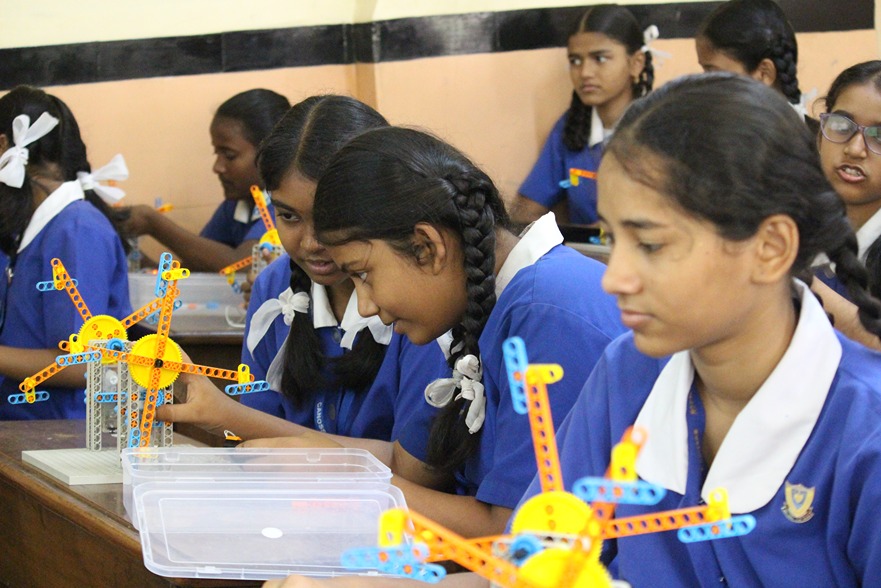
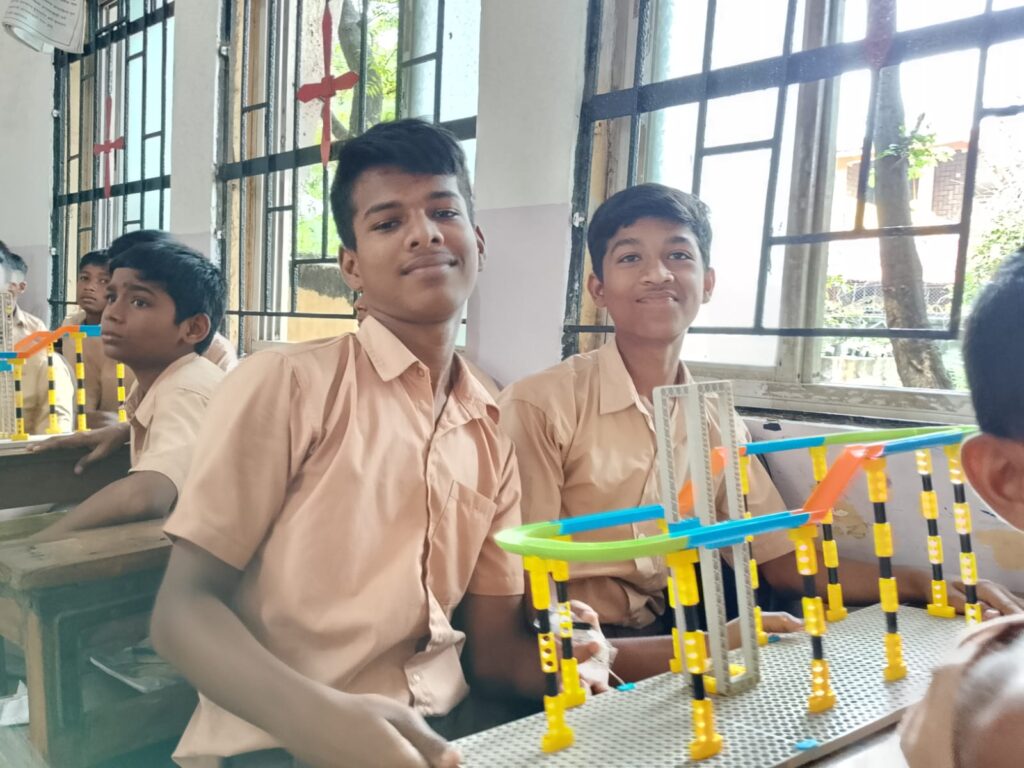
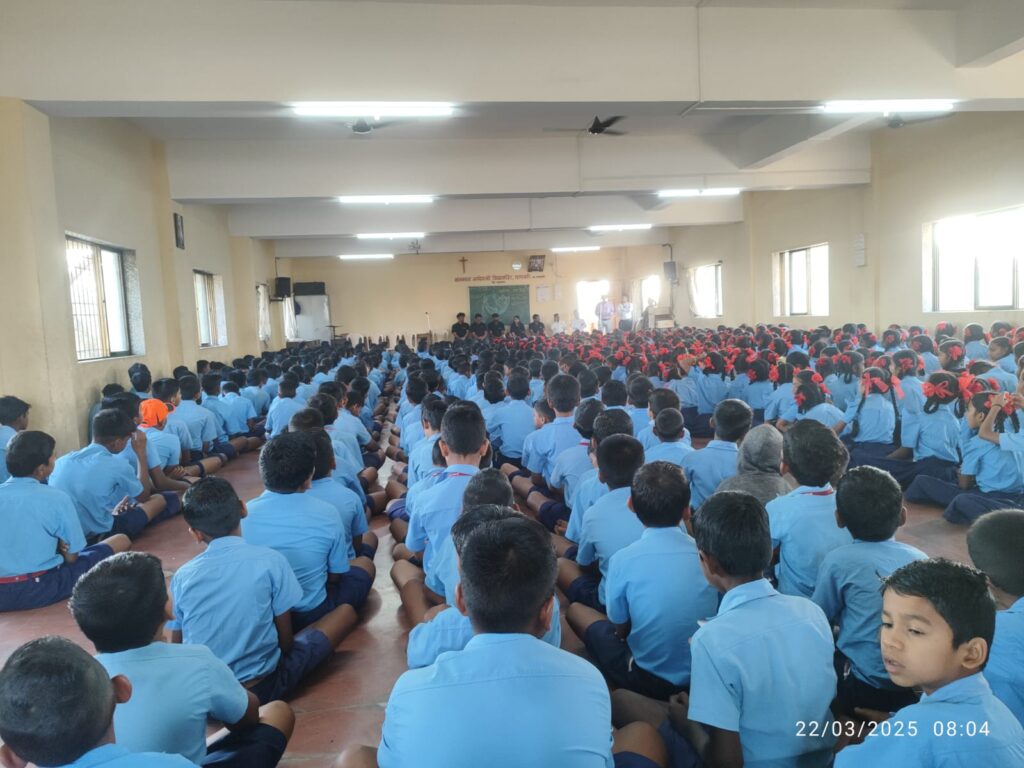
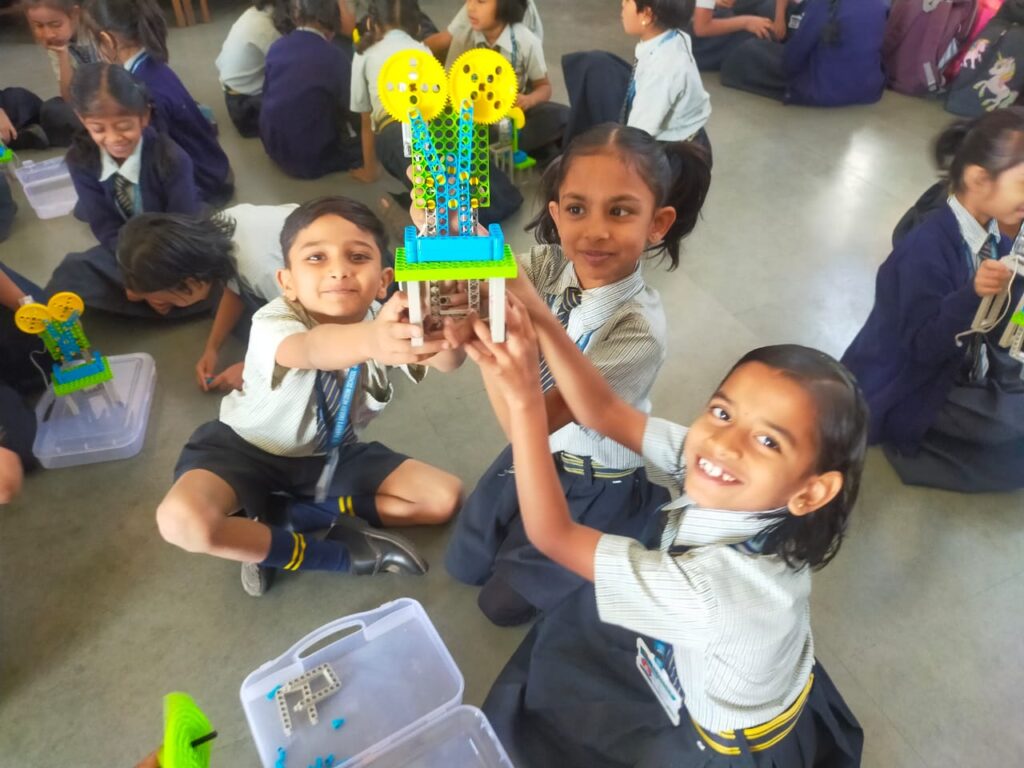
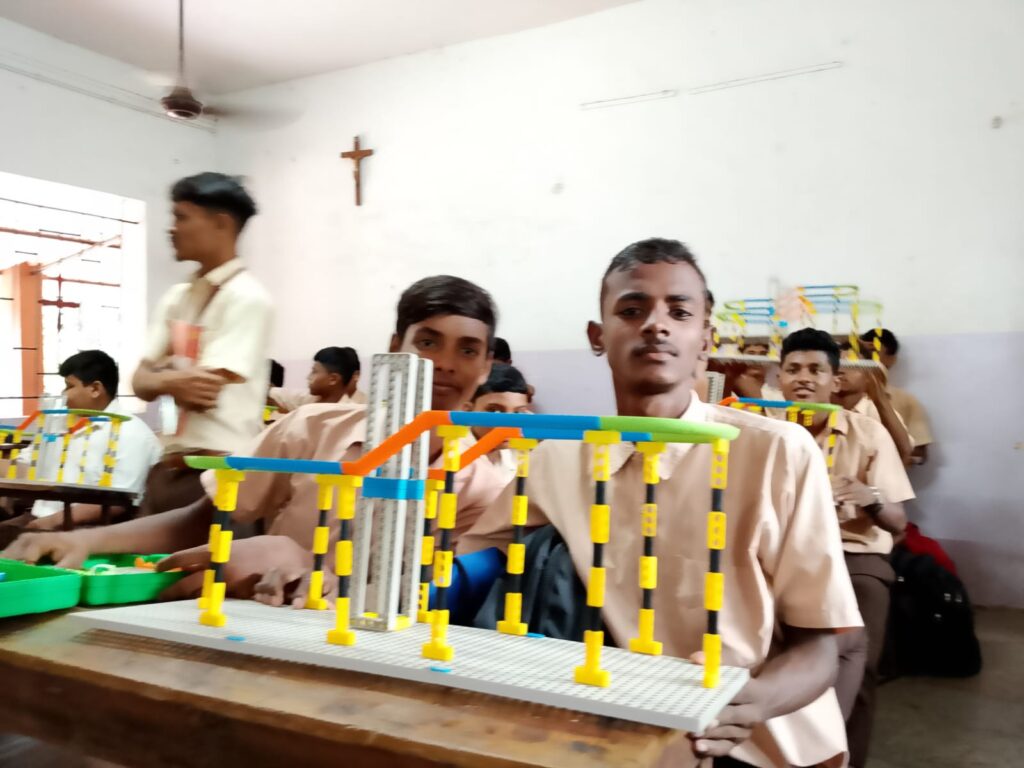
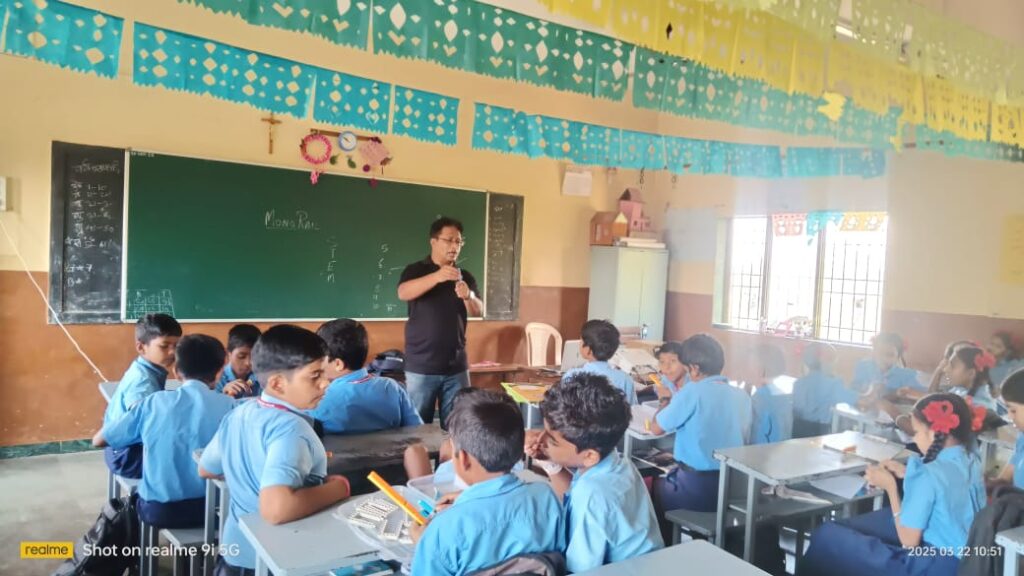
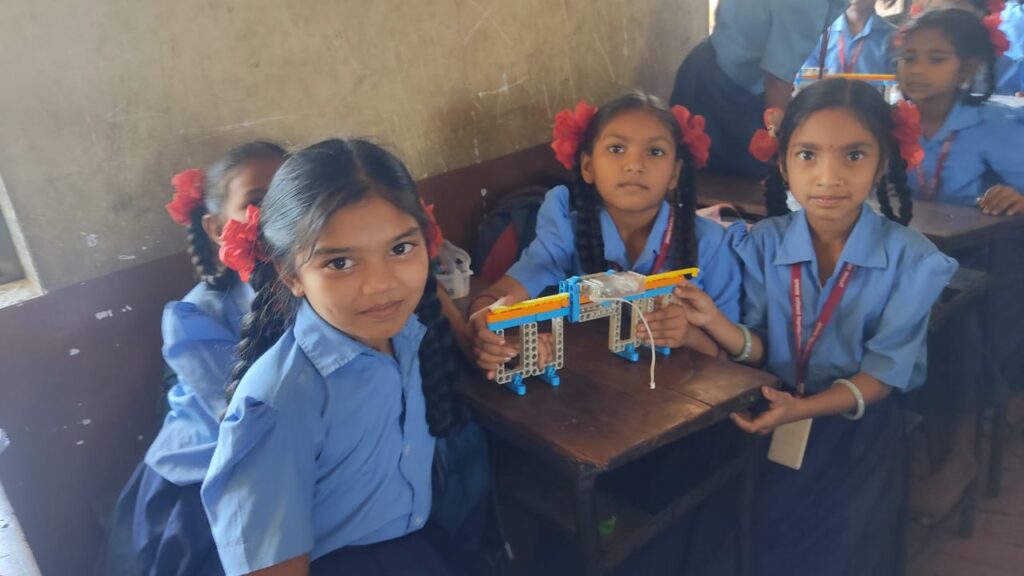
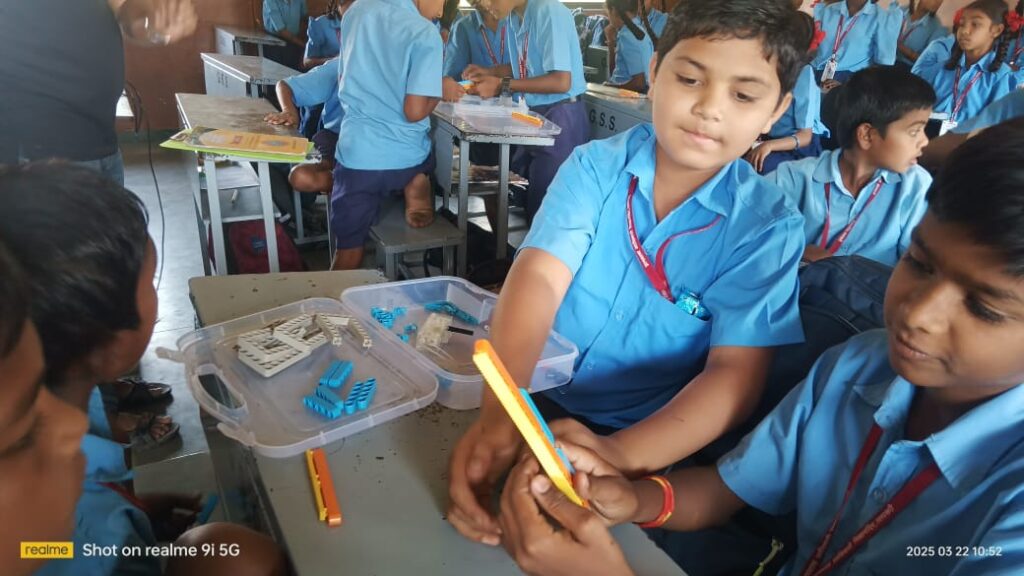
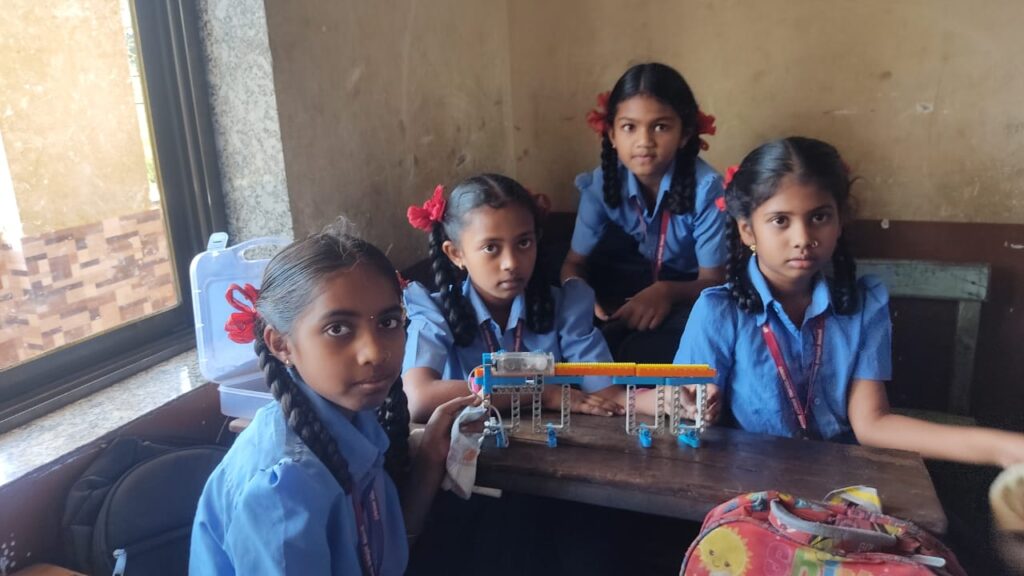
STEM—Science, Technology, Engineering, and Mathematics—is at the core of today’s innovation-driven world. As industries evolve with rapid technological advances, STEM education equips students with the tools to navigate and shape the future. Unlike traditional rote learning, STEM fosters creativity, exploration, and critical thinking through hands-on, problem-based learning. The Ecological perspective ensures that technological advances are also sustainable.
By engaging in EcoSTEM activities from an early age, students build curiosity and confidence in tackling real-world challenges—preparing them for both academic success and tomorrow’s careers.
STEM and NEP 2020: Preparing GenNext
India’s National Education Policy (NEP) 2020 recognizes STEM as critical for the development of 21st-century skills. It calls for embedding STEM practices across all levels of schooling with a focus on inquiry, creativity, and experiential learning.
Key highlights aligned with STEM:
🧪 Experiential Learning – Moving beyond textbooks to hands-on exploration and experimentation.
💡 Conceptual Understanding – Emphasis on core ideas, applications, and critical thinking.🤖 Emerging Technologies – Integration of AI, coding, robotics, and design thinking in classrooms.
🧮 Early Foundation – Introducing math and computational thinking from Grade 1 onwards.
🧑💻 Coding Education – Starting digital literacy and coding skills from age 11.
🔄 Multidisciplinary Learning – Blending STEM with arts, humanities, social sciences and ecology.
Through these strategies, NEP 2020 envisions a learner who is tech-savvy, adaptable, and innovative, ready to thrive in a complex global landscape.